
Fasciapuncture®
Precision from fascia. Wisdom from tradition.
A modern fascia-based therapy combining acupuncture, myofascial release, and Eastern meridian medicine—effective for chronic pain, mobility issues, and structural imbalances — now taught in a comprehensive online program.
A clinical method that begins with listening, regulation,
and precise fascial response.
Fasciapuncture® is not built on force.
It begins with perception, regulation,
and precise entry into the fascial system.
Rather than treating isolated symptoms,
it restores coherence within the body’s
fascial and autonomic networks.
Beginning the Fasciapuncture Training

Foundational Statement
Understanding why the Fasciapuncture approach begins with regulation rather than forceful intervention.
Watch Lecture →
Worldview
Exploring the broader medical and philosophical framework behind fascia-oriented medicine.
Watch Lecture →Understanding pain differently
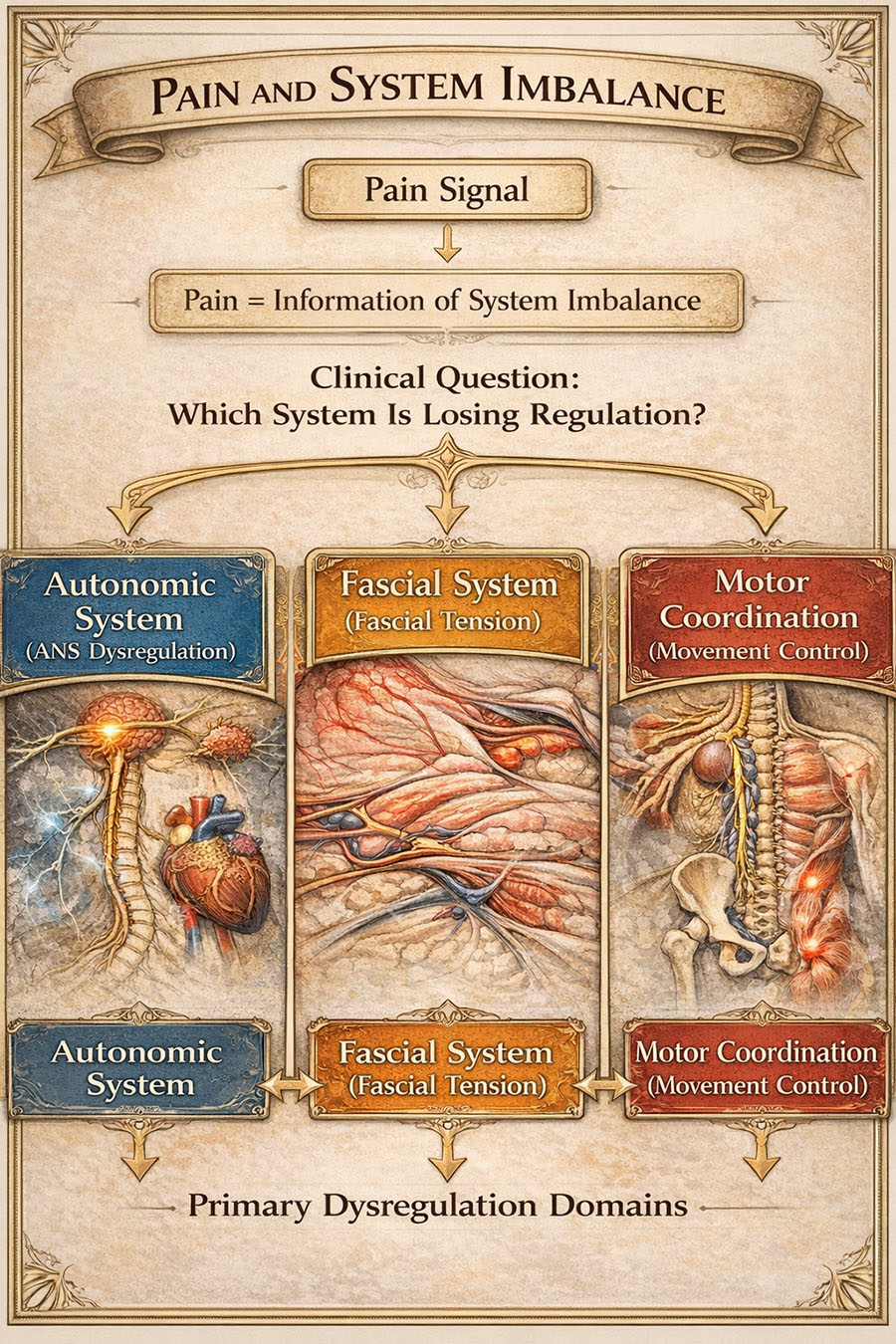
Pain does not always reflect tissue damage.
In many chronic conditions, pain emerges when the body’s regulatory systems lose balance — particularly the interaction between fascia, movement, and the autonomic nervous system.
Fascia is not simply connective tissue.
It is a sensory and regulatory interface linking:
• mechanical tension
• neural signaling
• breathing mechanics
• posture and movement
When this system loses coordination, pain and dysfunction may appear.
Pain is information about system imbalance.
Most treatments focus on the painful structure.
Fasciapuncture® asks a different question:
Which system is out of regulation?
Figure 1. Fasciapuncture Regulatory Model of Pain
The Fasciapuncture Approach
A fascial approach to restoring regulation
Fasciapuncture® works through precise and minimal intervention within the fascial layers.
Rather than forcing structural change, the goal is to:
• reduce excessive tension within the fascial network
• support autonomic regulation
• restore normal fascial glide
• allow movement coordination to reorganize naturally
The intervention is small, but the regulatory response can be significant.
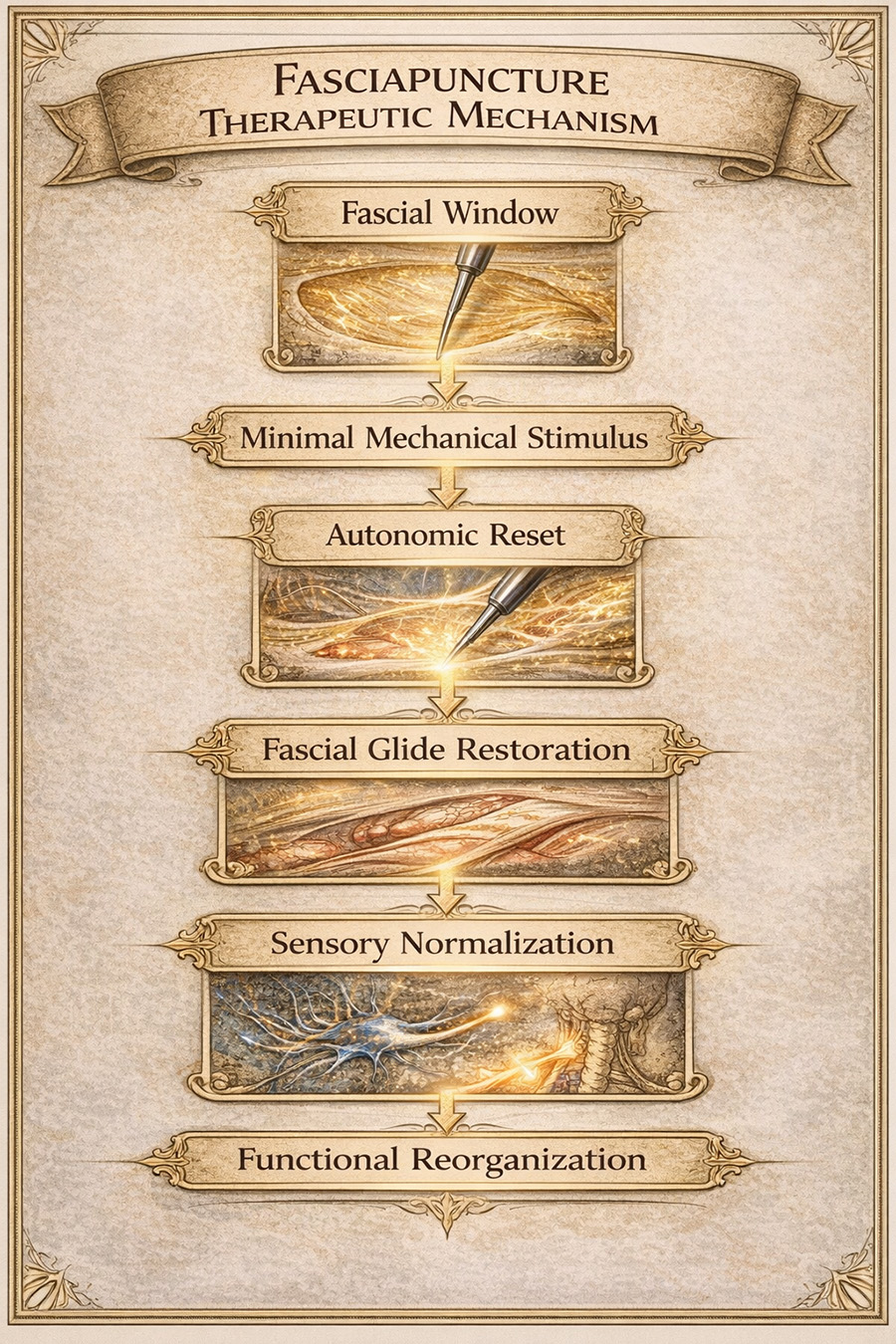
Figure 2. Fasciapuncture Treatment Model
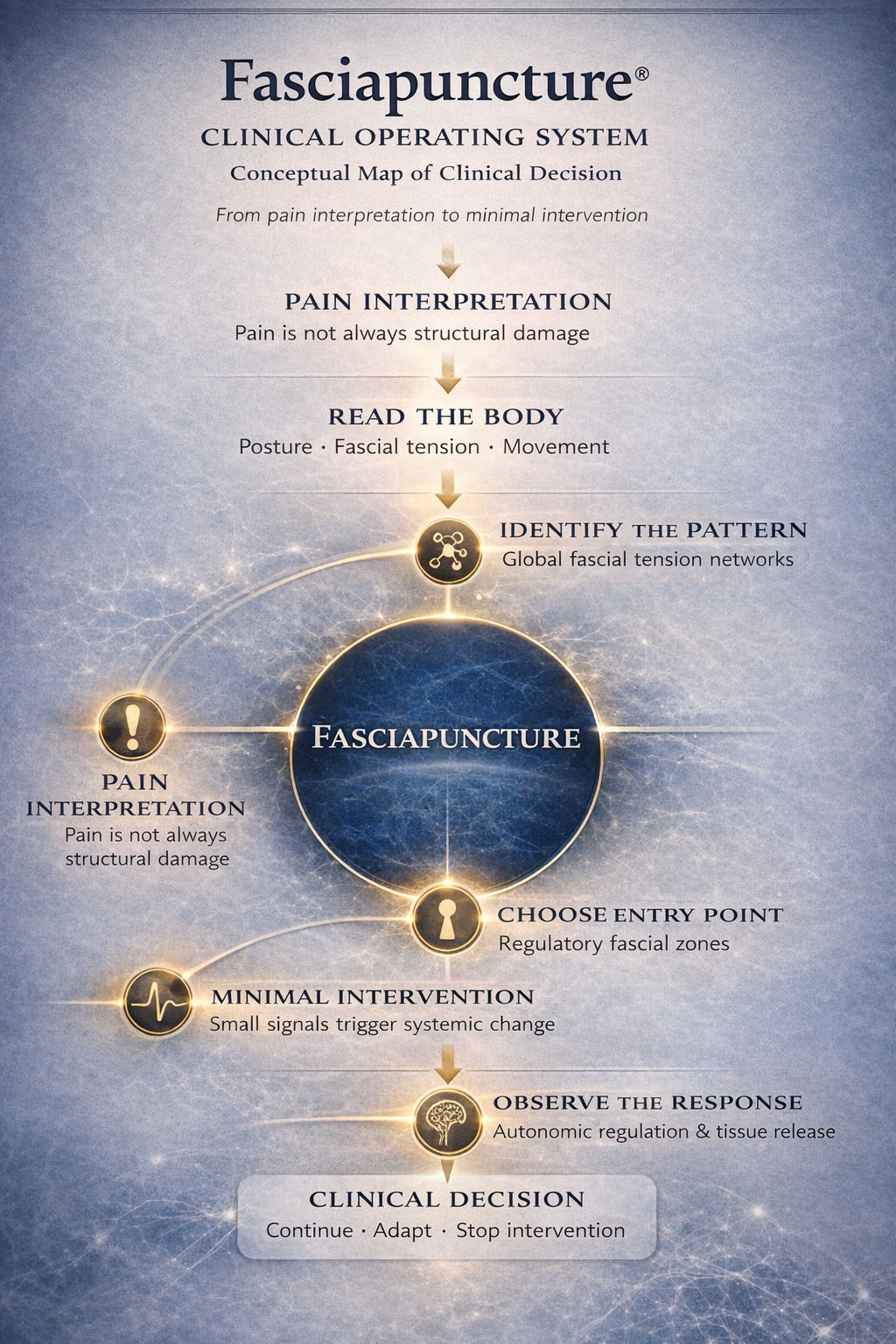
Fasciapuncture Clinical Framework
Fasciapuncture is not simply a technique.
It is a clinical reasoning system that guides
the practitioner from pain interpretation
to minimal intervention.
Clinical Impact
What patients often experience
Many patients report:
• rapid reduction in muscular tension
• improved range of motion
• deeper breathing
• relaxation of shoulders and facial muscles
• spontaneous sighing or a sense of release
These responses often reflect autonomic regulation returning.
Why it matters
In a therapeutic culture driven by action and correction,
Fasciapuncture® proposes a different stance.
Regulation before force.
Permission before intervention.
An approach that listens to the body,
respects its limits,
and supports change without imposing it.